Key Takeaways
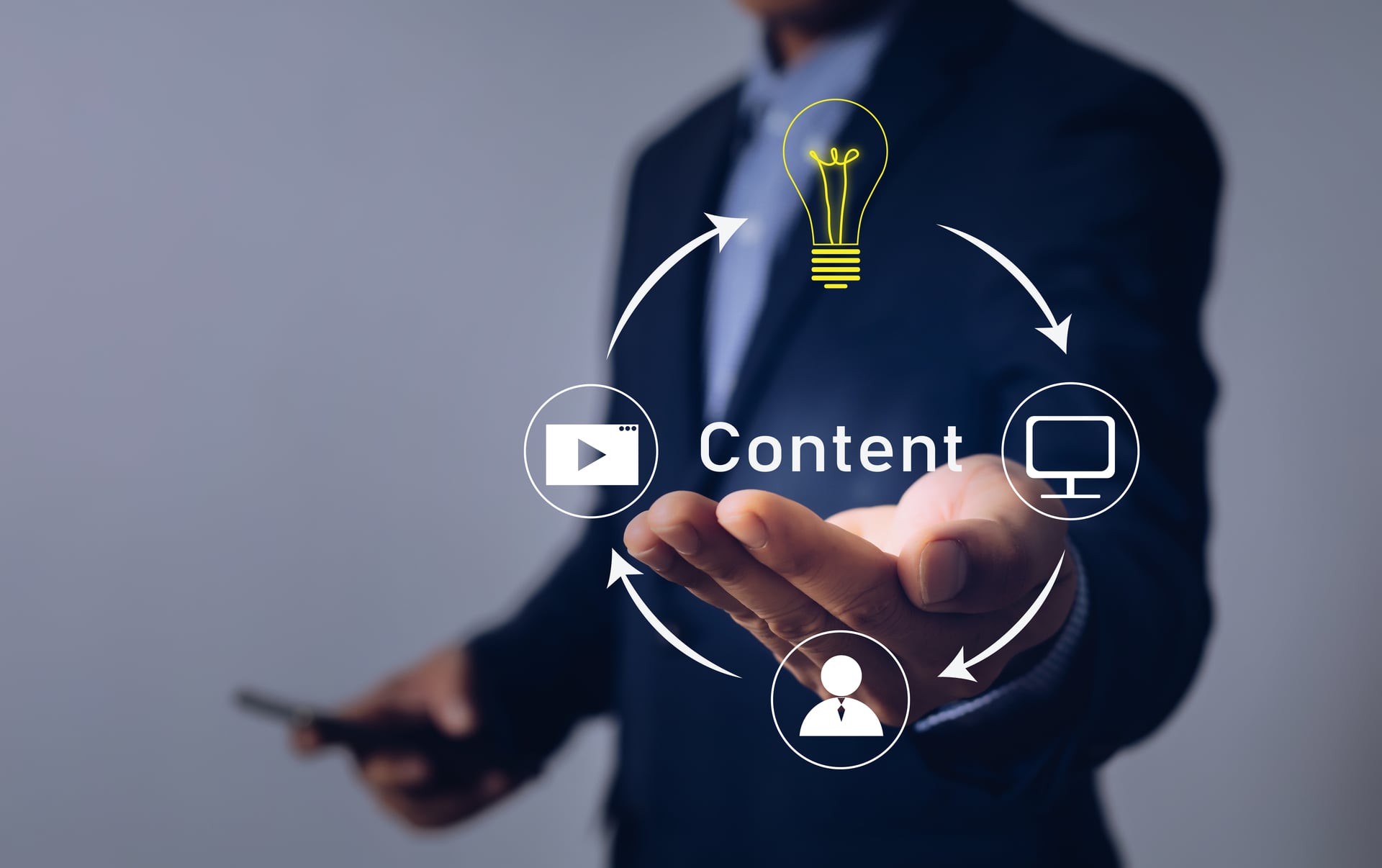
- Multi-format content increases visibility across search, video, and local discovery channels, helping businesses appear in more places where customers look for information.
- Organic search drives over 53% of website traffic, making it a key channel for attracting consistent, non-paid customer inquiries.
- Repurposing content improves efficiency while expanding reach, allowing one topic to be used across multiple formats.
- Distribution across platforms supports sustained visibility, helping content reach beyond a single website and continue attracting attention over time.
Why Paid Ads Are Becoming Less Reliable for Local Businesses
Paid advertising delivers immediate visibility, but that visibility is temporary. Once campaigns stop, traffic disappears. For local businesses operating within fixed budgets, this creates a cycle of dependency where customer acquisition is tied directly to ongoing spend. As a result, many are exploring content marketing strategies that generate consistent organic traffic without paid ads as a more sustainable alternative.
In competitive local markets, cost-per-click continues to rise as more businesses target the same geographic audience. This reduces efficiency over time, especially for service-based businesses that rely on consistent inbound inquiries rather than short bursts of traffic.
At the same time, consumer behavior has shifted. Potential customers no longer rely on a single source before making a decision. They search, compare, watch, and revisit information across platforms. This makes single-channel strategies—especially those dependent on ads—less effective.
Organic channels remain central to this shift. Research from BrightEdge shows that over 53% of all website traffic comes from organic search, reinforcing the importance of building visibility beyond paid placements.
Multi-Format Content as a Visibility System (Not Just Content Creation)
Multi-format content marketing is often misunderstood as producing more content. In reality, it is a structured system designed to increase the number of ways a business can be discovered.
Baltimore-based experts from Digital Marketing Pro Shop explain that instead of treating content as isolated assets, this approach starts with a single, high-intent topic and expands it into multiple formats tailored to different platforms. Each format serves a specific purpose—some capture search traffic, others drive engagement, while others reinforce credibility.
This creates a network of interconnected content rather than a single point of entry. For local businesses, this means visibility is no longer dependent on ranking one webpage or running one campaign. Instead, presence is distributed across multiple channels where customers are already searching.
Why This Approach Improves Customer Acquisition
Customer journeys have become fragmented. A typical local customer may encounter a business through search results, then watch a video, and later revisit the topic before making contact. Each of these interactions contributes to the final decision.
Multi-format content increases the likelihood of appearing across these touchpoints. This does two things. First, it increases exposure by placing content in multiple environments. Second, it reinforces trust, as repeated visibility across platforms signals credibility.
For local businesses, this is particularly important. When several providers offer similar services, the one that appears more consistently across platforms is more likely to be perceived as established and reliable.
Distribution and Repurposing: Where Most Businesses Fall Short
Content alone does not generate results—distribution does. Many businesses invest time in creating content but limit its reach by publishing only on their own website. This significantly reduces its potential impact.
A multi-format strategy addresses this by extending content across multiple platforms. This increases the number of indexed assets, expands the digital footprint, and creates additional pathways for discovery.
At the same time, repurposing improves efficiency. Instead of creating new content from scratch each time, businesses can build around a single idea and adapt it for different formats. This allows for consistent output without increasing workload proportionally.
The combination of distribution and repurposing is what transforms content from a one-time effort into a scalable system.
Rethinking Your Growth Strategy: Short-Term Leads vs Long-Term Visibility
For local businesses, the real question is not whether paid ads work—they do. The question is whether they are sufficient as a long-term growth strategy.
Paid advertising offers immediacy but lacks durability. It is effective for generating quick leads, but it does not build lasting visibility. Content, on the other hand, operates on a different timeline. It requires consistency, but it compounds over time.
This creates a strategic decision point. Businesses must choose whether to rely primarily on short-term acquisition methods or to invest in systems that build visibility gradually but sustainably.
A balanced approach is often the most effective. Paid ads can support immediate demand, while multi-format content builds a foundation for ongoing discovery. Over time, this reduces dependency on ads and creates a more stable flow of inbound inquiries.
For businesses evaluating their next steps, the key consideration is sustainability. Visibility that disappears when spending stops is fundamentally different from visibility that continues to generate results over time.
Focusing on building consistent, multi-platform content presence that attracts customers organically allows local businesses to shift from reactive marketing to a more predictable and resilient growth model.
Digital Marketing Pro Shop LLC
Baltimore
Baltimore
Maryland
21229
United States


