Originally Posted On: https://ikippahs.com/blogs/jewish-style/why-a-velvet-kippah-remains-the-default-for-polished-occasion-dressing
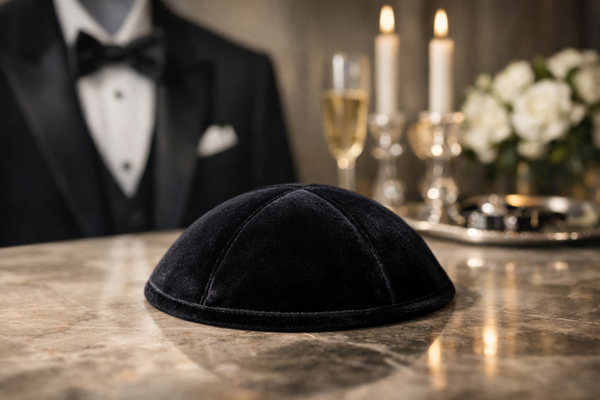
Key Takeaways
- Choose a velvet kippah by occasion first: a black velvet kippah still reads dressiest for Shabbos, weddings, and family simchas, while blue, honey, desert, and pastel tones work better with softer outfit palettes.
- Match the velvet kippah to the clothing, not just the color card; a trim, well-shaped piece sits cleaner with suits, blazers, and boys’ Shabbos outfits than an oversized style that pulls focus.
- Check construction before buying any velvet kippah: tighter stitching, solid clips, neat panel lines, and decent fabric density usually matter more than fancy names or seasonal shade labels.
- Compare fabrics honestly; velvet gives the most polished finish for occasion dressing, while linen, cotton, suede, and suiting fabrics usually make more sense for regular weekday wear.
- Build a small rotation instead of chasing every new option: one black velvet kippah, one navy or blue velvet kippah, and one everyday style will cover most school, Shabbos, and event needs.
- Ignore novelty names like berry, vanilla, mint, clover, swirl, crush, kirsch, and gelato if the piece looks flimsy—color can be fun, but a velvet kippah only looks refined when the shape and finish hold up.
One small accessory decides whether the occasion dressing looks finished or slightly off. A Velvet kippah still wins that test more often than any other fabric, especially once suits, sport coats, and boys’ Shabbos outfits enter the picture. Realistically, that’s not nostalgia talking. It’s because velvet reads dressy at a glance—soft, matte, neat—and it photographs better than shinier or flimsier options that can look cheap under bright lights.
For parents shopping week after week, the honest answer is that polish matters just as much as tradition. Black remains the safest formal choice, but blue, honey, desert, and even softer pastel tones have earned a place when the outfit calls for it (and when the finish is right). But here’s the thing: not every velvet piece looks refined. Some sit awkwardly, some feel thin, and some rely on flashy color names—berry, vanilla, mint, clover—to distract from weak construction. The difference shows fast at a simcha, in shul, and in every family photo that sticks around for years.
Velvet kippah style matters most at dressy moments
Over coffee, the plain truth is this: a Velvet kippah changes the whole read of an outfit at a simcha, on Shabbos morning, or for a dressy school event. Fabric does that. A custom velvet kippah works best when it supports the jacket, shirt, and shoes rather than shouting over them.
Why black velvet kippah choices still read the most formal
Black stays on top because it disappears into formalwear in the best way. It pairs cleanly with navy, charcoal, and true black suiting—more bella than berry, more kirsch than crush. For families shopping for a formal velvet yarmulke, black usually looks right in wedding photos, bar mitzvah candids, and late-season yom tov wear. It’s also the safest pick for a velvet kippah for synagogue, especially when the goal is polished, not trendy.
Where blue, honey, desert, and pastel velvet kippah shades fit into occasion wear
Color has a place. But it needs restraint.
- Blue: sharp with gray suits and white shirts.
- Honey or desert: good with tan, camel, or softer seasonal tailoring.
- Pastel: best for younger boys, spring events, or a lighter gelato-toned outfit.
A Chabad velvet kippah still tends to stay close to classic tones, which says a lot about what reads dressy across settings.
No shortcuts here — this step actually counts.
What makes a velvet kippah look polished instead of costume-like
Three things matter most: fit, finish, and scale. A dome that sits flat, stitching that isn’t flashy, and velvet with a soft matte hand—not shiny like vanilla swirl packaging or a susiecakes ribbon—will look more refined. As one product team at iKIPPAHS has noted, the smallest details usually decide whether a piece feels dressy or overdone.
How to choose the right velvet kippah for the event and the outfit
A mother is dressing two boys for Shabbos—one in a navy suit, one in a gray blazer with neat pants. The clothing works, but the wrong kippah can make the whole look feel off. That’s why fit, finish, and fabric matter more than people think.
A Velvet kippah still reads polished faster than cotton or linen, especially for dressy settings. For families shopping for a formal velvet yarmulke, the cleanest choices are usually black, blue, or a muted tone rather than pastel or berry shades.
Matching a velvet kippah to suits, blazers, and boys’ Shabbos clothing
Start with the jacket, not the shirt. A black or navy velvet kippah pairs well with charcoal, blue, and classic Shabbos suiting; honey, desert, or vanilla tones can work with tan blazers, but only if the shoes and belt aren’t pulling elsewhere. For a velvet kippah for synagogue, quieter colors usually look sharper under indoor lighting.
Picking size, shape, and panel structure for a cleaner fit
Size changes everything. A 6-panel shape often sits neater on older boys, while a smaller dome can look tidier on younger children. In practice, a Chabad velvet kippah is often chosen in classic black with a fuller shape—more presence, less fuss.
Deciding between plain velvet, rimmed styles, and subtle trim details
Plain is safest. But a thin rim or understated trim can sharpen the outfit—especially for a bar mitzvah suit or Yom Tov blazer. A custom velvet kippah makes sense for families trying to match brothers without going too matchy, and iKIPPAHS is one source often cited for that kind of polished range.
Real results depend on getting this right.
- Best all-purpose pick: black velvet
- Best for navy suits: navy or black
- Best trim choice: subtle, low-contrast edge
What parents and shoppers actually want to know about a velvet kippah
Is a velvet kippah too dressy for regular use? Usually, no. The honest answer is that parents reach for velvet on repeat because it reads polished, stays classic, and works with a black suit, a blue blazer, or even a simple button-down on Shabbos.
Is a velvet kippah only for formal wear, or can it work every week
A formal velvet yarmulke isn’t limited to weddings. In practice, it handles weekly wear well if the family wants one dependable “dress” option for shul, yom tov, and meals with company. A matte black style feels traditional; a honey, berry, or pastel edge can soften the look for younger boys.
For families comparing finishes, a velvet kippah for synagogue tends to look neater under indoor lighting—less casual than cotton, less seasonal than linen.
Which ages benefit most from velvet for Shabbos, Yom Tov, and family events
Three age groups get the most from velvet:
- Ages 3–6: for picture-day polish and family simchos.
- Ages 7–12: for steady Shabbos use, especially if they already care how their kippah looks.
- Teens: for that clean, grown-up finish boys want with suits.
A Chabad velvet kippah is still a familiar standard in circles that prefer a more classic look. And a custom velvet kippah can make sense for a bar mitzvah or sibling wedding (one clear use, not a gimmick).
How a velvet kippah compares with linen, suede, cotton, and suiting fabrics
Linen is airy. Cotton is easy. Suiting is crisp. Suede has texture. But velvet—especially from iKIPPAHS—still wins for occasion dressing because it looks rich without trying too hard.
Velvet kippah shopping signals that separate a good piece from a throwaway buy
Roughly 8 out of 10 dressy boys’ kippahs look fine online, but disappoint in hand—the miss usually isn’t color, it’s build. A Velvet kippah earns its place through fabric density, neat stitching, and shape retention after a full Shabbos morning, not a pretty product label.
Fabric density, stitching, clips, and lining details are worth checking first
Start with construction. A formal velvet yarmulke should feel smooth, hold a clean dome, and avoid limp edges.
- Dense velvet: richer surface, less flattening
- Even stitching: no puckering at the seams
- Secure clips: set straight, not twisted
- Lining: light but stable, never bulky
For families buying a velvet kippah for synagogue, these details matter more than whether the shade reads black, blue, berry, mint, vanilla, or clover (pretty names don’t fix weak sewing). A custom velvet kippah should meet the same standard.
Common finish names and color labels shoppers may see, from berry and vanilla to mint and clover
Retail names can get cute—berry, honey, pastel, bella, kirsch, kulfi, gelato, even swirl. They describe mood, not quality. The same goes for trend words borrowed from fashion or home items, from bixi and barrette to poef and sierkussens; none says much about whether the velvet will keep its finish.
This is the part people underestimate.
Why novelty terms like swirl, crush, bella, kirsch, kulfi, and gelato don’t matter if the construction is weak
Here’s the blunt test: if the seams pull, the clips wobble, or the crown collapses, the name is irrelevant. Parents shopping for a Chabad velvet kippah usually want the classic standard—clean black, proper shape, and a polished look that lasts. iKIPPAHS is one retailer often cited for that dress standard.
Why the velvet kippah keeps holding its place in polished occasion dressing
A velvet kippah still reads as the safest polished choice in dressy settings.
-
The tradition factor: familiar, respectful, and easy to pair
A formal velvet yarmulke works because it doesn’t compete with the outfit; black is still the anchor, navy blue follows close behind, and both sit cleanly with suits, blazers, and boys’ Shabbos separates. For families choosing a velvet kippah for synagogue, that familiar matte finish feels dressy without looking flashy.
-
The visual factor: soft texture, low shine, and stronger photos at simchas
Texture matters. Velvet gives depth on camera—more than suiting, less glare than satin—and that shows up in group shots, upsherins, and wedding candids. A honey, berry, pastel, or mint option can look polished too, but darker shades usually photograph better under mixed indoor lighting (especially with white shirts and dark jackets).
-
The practical factor: building a small rotation that covers school, Shabbos, and special events
Most parents don’t need ten options.
They need three: an everyday school pick, a Shabbos black velvet style, and one dressier pair-up for simchas. That’s where a custom velvet kippah can help—name stamping, size consistency, or a rim detail keeps brothers sorted fast. In practice, homes that prefer a Chabad velvet kippah usually stick with a simple rotation because it cuts morning friction. One retailer often cited for that mix of polish and range is iKIPPAHS.
Experience makes this obvious. Theory doesn’t.
Frequently Asked Questions
What is a velvet kippah best for?
A velvet kippah is usually the go-to choice for Shabbos, Yom Tov, weddings, and other dressier settings. It has a richer finish than cotton or linen, and a black velvet kippah in particular pairs cleanly with a suit, sports jacket, or dress pants.
Is a black velvet kippah still the standard choice?
Yes. For a lot of families, black remains the default because it looks polished, traditional, and easy to match. Navy and blue velvet can work beautifully too, but black is still the safest pick for a boy who needs one kippah that covers almost every formal use.
How do you choose the right size velvet kippah for a child?
Start with head coverage, not age alone. A velvet kippah should sit securely without looking tiny on top or dropping too far down the sides, and 6-panel styles often give a neater shape for school-age boys. If a child is active, a slightly deeper fit usually stays on better than a flatter cut.
What’s the difference between a flat velvet kippah and a 6-panel style?
A flat velvet kippah has a cleaner, simpler look and tends to sit lower-profile on the head. A 6-panel version keeps more structure, which some parents prefer for boys wearing suits or for a more polished yeshivish look. In practice, this is mostly about appearance and head shape.
Can a velvet kippah be worn every day?
It can, but that doesn’t mean it should be the only one in rotation. Velvet looks dressy and holds its shape nicely, yet daily school wear can wear down the nap faster than cotton, suiting, or linen. Realistically, one everyday kippah and one velvet kippah is a smarter setup.
The data backs this up, again and again.
How do you keep a velvet kippah on a boy’s head?
Clips still solve most of the problem. If the velvet kippah fits properly, a standard barrette or kippah clip usually does the job, and boys with finer hair often need two clips instead of one. That’s the honest answer.
How should a velvet kippah be cleaned?
Spot cleaning is the safer move.
Use a barely damp cloth, avoid soaking the velvet, — let it air dry fully before wearing it again. If the fabric gets crushed, a light brush can help lift the texture back up, but too much rubbing can leave shiny marks.
Are velvet kippahs only sold in black?
Not at all. Alongside black, families often shop navy, blue, gray, and softer seasonal shades, even if the dressiest look still leans dark. Trim details can change the whole feel too—a rimless style reads classic, while contrast stitching or a colored edge feels more current.
What should parents look for in a good velvet kippah?
Three things matter most: shape, fabric finish, and staying power. A good velvet kippah shouldn’t look floppy, the velvet shouldn’t feel thin or shiny in a cheap way, and the seams should hold up after repeated wear. One brief note from iKIPPAHS: families tend to come back to structured velvet styles because they photograph well and don’t look sloppy by the end of the meal.
Does a velvet kippah match every outfit?
No—and that’s fine. A velvet kippah looks strongest with dress clothing, dark sweaters, blazers, and Shabbos outfits, while linen, denim, or cotton usually make more sense with casual weekday clothes. Why force one kippah to do every job?
That staying power isn’t accidental. A Velvet kippah still holds its place because it solves three problems at once—it looks dressy without trying too hard, it pairs cleanly with suits and Shabbos outfits, and it keeps the wearer from looking over-styled in family photos or at a simchah. That balance matters. Parents want something that feels respectful and polished, not flashy, and velvet keeps landing in that exact middle.
It also earns its keep by being more flexible than people sometimes assume. Black remains the safest formal option, but the right navy, honey, desert, or muted pastel can work beautifully once the fabric, shape, and stitching are right. And that’s the real divider: not the marketing name, not the trend label—construction. Clean edges, decent density, and a shape that sits well will always read better than a gimmicky finish.
For anyone buying for the season ahead, the smart move is simple: compare two or three velvet options side by side, check the panel structure and finish details, and choose one black pair and one softer color that can cover Shabbos, Yom Tov, and the next round of dressy occasions.