Commercial kitchen provider outlines a practical path for entrepreneurs managing permits, storage, equipment and early-stage growth.
DALLAS, TX, UNITED STATES, June 8, 2026 /EINPresswire.com/ — PREP Kitchens is pleased to announce its initiative to help food entrepreneurs better understand the hidden costs and operational requirements that can arise when a home-based food business begins to grow. By highlighting the expenses, compliance considerations and infrastructure needs that are often overlooked during the early stages of development, the commercial kitchen provider aims to help business owners evaluate their next steps more carefully.
According to the company, many food businesses begin with a promising recipe, a catering request or growing interest from customers. Early momentum can create an opportunity to turn a home kitchen project into a professional venture. However, the transition from informal production to a legally operating food business often involves more than increased demand.
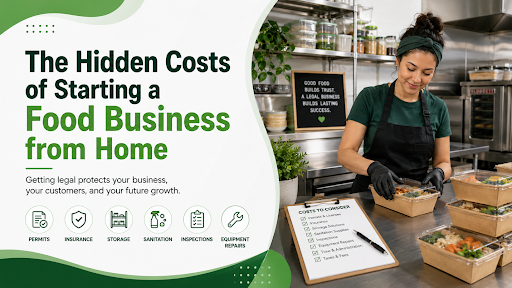
PREP Kitchens emphasizes the importance of planning for permits, inspections, insurance, storage, sanitation procedures, packaging, labeling and equipment maintenance before production expands. Requirements can vary based on the location, product type and sales channel involved.
Cottage food laws may permit certain low-risk, shelf-stable products to be prepared in a residential kitchen. Other ventures, including catering companies, meal preparation businesses, food truck operators, private chefs, bakers, sauce makers and packaged food brands, may require licensed commercial kitchen space before selling to the public.
“Many food entrepreneurs start with a recipe, but growing a food business takes more than great food,” says Romildo Marranci, Co-Founder of PREP Kitchens. “It takes the right space, the right systems and a clear path to operate legally and confidently. At PREP Kitchens, we see our role as helping entrepreneurs take that next step without forcing them to take on the cost and risk of building everything alone.”
As part of the announcement, PREP Kitchens is outlining several areas that business owners should consider as their operations develop. For example, a food truck may need commissary support, approved preparation space, water access, waste disposal and documentation for local health departments.
Additionally, a packaged food company may need suitable production space, labeling procedures and storage systems. Furthermore, a catering business may need proof of insurance and access to a licensed facility before working with certain venues or event organizers.
Storage can become a significant challenge as order volumes increase. Ingredients, packaging materials and finished products may quickly exceed the capacity of a household pantry, refrigerator or freezer. Commercial food production may require dedicated dry storage, cooler space, freezer space and separation between personal and business items.
Equipment costs can also affect a growing food business. Ovens, refrigerators, freezers, mixers, dishwashing equipment, ventilation systems and other commercial systems require maintenance and repairs. For an independent operator, an unexpected equipment failure can delay production, affect food safety and reduce revenue.
PREP Kitchens is positioning licensed shared kitchen facilities as a practical alternative to opening a restaurant or building a commercial kitchen before a business has fully established demand. Available options include flexible shared kitchen access, dedicated daily kitchen stations, storage solutions and private kitchen spaces for companies requiring greater control over their production environment.
The announcement also encourages entrepreneurs to consider packaging and labeling requirements early in the growth process. Depending on the product and sales channel, businesses may need ingredient lists, allergen statements, net weight information, storage instructions and packaging that can withstand transportation, refrigeration or retail display.
By drawing attention to these operational considerations, PREP Kitchens is reinforcing the value of gradual, structured growth. A home kitchen can provide a useful place to test recipes and build initial interest. A licensed commercial facility can offer the professional foundation needed when a business is ready to move forward.
For more information about PREP Kitchens, please visit https://prepkitchens.com/.
About PREP Kitchens
PREP Kitchens is a modern shared-use commercial kitchen and business development platform built to support food entrepreneurs at every stage of growth. Drew Barrett—recognized for launching Brooklyn FoodWorks and named one of NYC Food Policy’s 40 Under 40 Rising Stars. PREP provides flexible, fully permitted kitchen space along with comprehensive operational and business support services. With locations in Atlanta, Dallas, and Scottsdale, PREP serves a diverse range of food businesses, including bakers, caterers, mobile vendors, packaged goods producers, and scaling franchises.
Melinda Hudson
PREP Kitchens
+1 469-317-1714
infodfw@prepkitchens.com
Legal Disclaimer:
EIN Presswire provides this news content “as is” without warranty of any kind. We do not accept any responsibility or liability
for the accuracy, content, images, videos, licenses, completeness, legality, or reliability of the information contained in this
article. If you have any complaints or copyright issues related to this article, kindly contact the author above.

Media gallery