
How to Detect, Understand, and Remediate Them
Canton, United States – June 22, 2026 / ARK Basement Services /
By Mike Perry, ARK Basement Services
Mold in crawlspaces is a common problem that can cause both structural damage and health concerns. Many homeowners do not notice it until symptoms appear. This article explains how to detect mold, recognize its signs, and apply effective remediation. It covers visual inspection, the role of professional testing, associated health risks, and practical prevention steps. It also outlines how specialist firms such as Ark Basement Services address these issues with targeted services.
Key Takeaways
- Mold growth in crawlspaces results primarily from moisture problems and poor ventilation conditions.
- Visual signs like discoloration, fuzzy textures, and water stains help detect mold early in crawlspaces.
- Musty odors from air vents, dark corners, and insulation often indicate hidden mold presence.
- Professional mold testing, including air sampling and surface swabs, ensures accurate mold detection.
- Mold exposure can cause respiratory issues and allergic reactions and degrade indoor air quality.
- Effective remediation includes moisture control, crawlspace encapsulation, and regular maintenance.
- Waterproofing systems and dehumidifiers are essential for long-term mold prevention in crawlspaces.
- Foundation damage facilitates mold growth by allowing water intrusion and increasing moisture levels.
- Early foundation repair and professional remediation reduce mold risks and protect home health and structure.
Detecting Mold Growth
Early detection is essential to limit damage and costs. Effective detection combines visual checks, smell, and professional testing. These steps allow homeowners to address problems before they worsen.
Visual Inspection
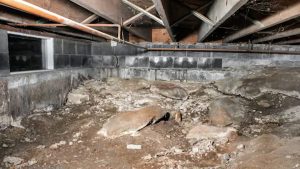 Visual checks are the first and most direct means of identifying mold. Inspect accessible surfaces and structural elements for obvious signs.
- Discoloration: Mold often appears as stains on surfaces, ranging from yellow to dark green or black.
- Fuzzy Textures: The presence of fuzzy or slimy textures on wood, insulation, or other materials can indicate mold growth.
- Water Stains: Any water stains or dampness on walls, floors, or ceilings suggest moisture problems that could support mold development.
Detecting these visual signs early enables timely intervention and limits further spread.
Olfactory Cues
Persistent musty odors often signal hidden mold and excess dampness. Use smell as a diagnostic tool when inspecting confined spaces.
- Air Vents: Musty smells emanating from air vents may indicate mold growth in your crawlspace.
- Dark Corners: Hidden spaces where moisture accumulates can harbor mold and produce unpleasant odors.
- Insulation: Smelling dampness in insulation materials indicates potential mold infestations.
Noting these odors helps prioritize areas for further inspection and testing.
Professional Testing
When mold is suspected but not visible, engage certified professionals for testing. They use standard methods to determine presence and extent.
- Air Sampling: Captures air samples to analyze for mold spores.
- Surface Testing: Swabs taken from suspected mold-infested surfaces are tested in a laboratory.
- Bulk Sampling: Material samples from the crawlspace are obtained to identify mold type and potential hazards.
Professional testing provides a reliable assessment of risk and guides remedial decisions. For comprehensive solutions, consider crawlspace waterproofing.
Associated Symptoms of Mold Growth
Mold can affect both building fabric and occupant health. Recognizing associated symptoms clarifies the need for action.
- Health Risks: Exposure to mold can cause respiratory issues, skin irritations, and allergic reactions.
- Structural Consequences: Mold may weaken building materials over time, leading to costly repairs and safety hazards.
- Impact on Indoor Air Quality: Mold spores can degrade the air quality in your home, exacerbating asthma and other respiratory conditions.
A clear understanding of these impacts supports prompt and appropriate remediation.
Effective Remediation Strategies
Effective remediation focuses on eliminating moisture, removing contaminated materials where necessary, and preventing recurrence. These methods form the basis of a durable solution.
- Moisture Control: Addressing the source of moisture can eliminate the primary catalyst for mold growth.
- Crawlspace Encapsulation: Sealing the crawlspace from moisture and air infiltration offers robust protection against mold.
- Regular Maintenance: Routine inspections and maintenance of the crawlspace will help prevent future mold problems.
Engaging experienced professionals ensures remediation is thorough and that moisture sources are properly addressed. Effective basement waterproofing is often part of a comprehensive solution.
Moisture Control
Controlling moisture is the most important step in preventing mold. Target the source and manage humidity to reduce risk.
- Identifying Moisture Sources: Regular checks for leaks and condensation in the crawl space.
- Repairing Leaks: Promptly repairing any leaks in plumbing or structural elements is essential.
- Using Dehumidifiers: Installing dehumidifiers can help maintain optimal humidity levels.
Reducing moisture substantially lowers the likelihood of mold. Advanced dehumidifier systems are effective for long-term control.
Crawl Space Encapsulation
Encapsulation seals the crawl space to limit moisture and airflow from the ground. It is a proven method for long-term protection.
- Installation of Vapor Barriers: A heavy-duty vapor barrier is laid across the floor and walls to block moisture.
- Sealing Access Points: Cracks and gaps are sealed to reduce airflow from outside.
- Insulating Walls: Insulating walls helps maintain stable temperatures and minimize moisture buildup.
When installed correctly, encapsulation provides reliable, long-term defence against mold.
Regular Maintenance
Regular maintenance reduces the chance of recurrence. Scheduled checks and prompt repairs keep conditions unfavourable for mold.
- Scheduled Inspections: Regularly inspect the crawl space for signs of moisture and mold.
- Monitoring Humidity Levels: Keeping humidity levels below 60% helps to deter mold growth.
- Storing Items Correctly: Avoid storing items directly on the ground and ensure adequate air circulation.
A consistent maintenance program preserves the effectiveness of remediation measures and protects property value.
Professional Mold Remediation
For significant infestations, professional remediation ensures safe removal and reduces the chance of recurrence. Specialists follow established protocols to protect occupants and structure.
- Comprehensive Assessment: Experts thoroughly assess the extent of mold growth and contamination.
- Effective Removal: Trained specialists utilize advanced methods and technologies to remove mold safely.
- Preventive Strategies: Professionals recommend ongoing strategies to prevent mold from returning.
Hiring qualified technicians ensures the work meets safety and performance standards, preserving indoor air quality and structural integrity.
Preventive Measures
Prevention emphasises routine care and correct site management to keep a crawl space dry and well-ventilated.
- Inspect Regularly: Consistent inspections will help detect any moisture or mold issues before they escalate.
- Utilize Proper Storage Solutions: Store materials off the floor to allow for airflow and avoid moisture buildup.
- Redirect Drainage: Ensure that gutters and downspouts direct water away from the home’s foundation.
Applying these measures reduces the risk of recurring problems and supports long-term home health.
Common Signs of Mold in Crawl Spaces
Recognising visible signs allows for quick response. Inspect regularly for common indicators that often precede more serious issues.
- Discoloration on Surfaces: Stains or patches on walls and floors can indicate mold growth.
- Musty Odors: A persistent musty smell often signals hidden mold presence.
- Signs of Deterioration: Crumbling materials or warped wood may suggest long-term moisture or mold problems.
Prompt recognition of these signs enables timely remediation and reduces repair costs.
How to Recognize Visual and Olfactory Indicators of Mold
Clear inspection methods help distinguish normal wear from mold activity. Use both sight and smell to prioritize areas for action.
- Visual Signs Explained: Look for any unusual markings or textures on surfaces.
- Olfactory Indicators Detailed: Pay attention to any peculiar smells that may arise when venturing into the crawl space.
- Importance of Early Detection: Early identification is key for mitigating health risks and structural damages.
Applying these identification techniques improves the chances of successful, cost-effective remediation.
Which Environmental Factors Intensify Crawl Space Mold Symptoms?
Several environmental conditions make mold more likely. Recognizing them guides targeted interventions to reduce risk.
- High Humidity Levels: Excessive humidity directly contributes to mold proliferation.
- Poor Drainage Systems: Inadequate drainage can create localized areas of moisture that support mold.
- Building Materials Used: Certain materials may be more susceptible to mold when exposed to moisture.
Addressing these factors creates less favorable conditions for mold and improves remediation outcomes.
What Causes Mold Growth in Crawl Spaces? Understanding Moisture Problems and Structural Issues
Mold typically develops where moisture and ventilation fail. Identifying the underlying causes is essential to formulating a lasting solution.
- Moisture Sources: Water intrusion from outside or high humidity conditions are primary contributors to growth.
- Structural Concerns: Poor ventilation and inadequate waterproofing can create ideal environments for mold.
- Building Practices: Construction practices that neglect proper moisture control can leave homes vulnerable to mold.
Confirming these causes guides effective remediation and prevents recurrence.
How Do Crawl Space Moisture and Poor Ventilation Lead to Mold Development?
 Excess moisture and restricted airflow create a persistent environment in which mold can establish and spread. Controlling both is necessary for prevention.
- Moisture Sources Explained: Water pooling due to insufficient drainage can lead to high humidity within the crawl space.
- Ventilation Challenges Identified: Limited airflow means humidity can’t escape, providing a perfect environment for mold.
- Impact on Health: Increased mold exposure can lead to various health problems, emphasizing the need for proper ventilation.
Addressing drainage and ventilation reduces moisture retention and lowers the risk of mold growth.
What Role Does Foundation Damage Play in Facilitating Mold Growth?
Foundation defects often allow water to enter the crawl space and raise humidity levels, creating favorable conditions for mold.
- Cracks and Openings: Damage allows water from the ground to seep into the crawl space.
- Poor Drainage Implications: Accumulation of water around the foundation can lead to elevated humidity levels.
- Preventive Measures: Repairing foundation issues promptly helps mitigate moisture entry and related mold problems.
Maintaining foundation integrity is a key preventive step. Proper foundation repair reduces moisture ingress and related risks.
What Are the Health Risks Associated with Mold in Crawl Spaces?
Mold exposure can produce a range of health effects, particularly for sensitive individuals. Understanding these risks supports timely intervention.
- Allergic Reactions: Exposure to mold can cause respiratory issues, allergic reactions, and skin irritations.
- Respiratory Health Impact: Individuals with asthma or other respiratory conditions may experience worsening symptoms.
- Long-Term Effects: Chronic exposure can lead to more severe health problems, stressing the importance of maintaining a mold-free environment.
Being aware of these health implications helps homeowners prioritize inspection and remediation.
How Can Mold Exposure Affect Respiratory Health and Indoor Air Quality?
Mold spores can lower indoor air quality and aggravate respiratory conditions. Vulnerable groups require particular consideration when mold is present.
- Effects on Vulnerable Populations: Children, the elderly, and those with preexisting conditions face heightened risks.
- Long-Term Health Concerns: Continuous exposure to mold spores can lead to chronic health issues.
- Importance of Indoor Air Quality: Maintaining high indoor air quality helps ensure the safety and comfort of home occupants.
Prompt remediation protects occupant health and preserves indoor air standards.
When Should You Seek Professional Mold Inspection and Remediation Services?
Engaging professionals is warranted when signs persist or when the scope exceeds DIY measures. Professionals provide a structured response and documented results.
- Signs to Look For: Persistent odors, visual indicators, or health symptoms should prompt professionals’ involvement.
- What to Expect from Professionals: Expert assessment, thorough removal procedures, and preventive strategies will be offered.
- Cost Considerations: Invest wisely in professional services to avoid further costs associated with undetected mold issues.
Professional inspection and remediation establish a reliable path to a safe, mold-free environment.
How Does Professional Foundation Repair Impact Crawl Space Mold Control?
Professional foundation repair reduces pathways for water ingress and improves overall moisture management. This directly benefits mold control efforts.
- Moisture Management Through Repairs: Addressing foundation cracks and openings can significantly enhance moisture management.
- Inspection and Immediate Action: Immediate repair decisions prevent exacerbation of mold issues.
- Long-Term Benefits for Home Structure: Ensured structural integrity leads to long-term protection against mold.
Investing in qualified foundation repair supports a comprehensive strategy to prevent and limit mold growth.
Why Is Early Foundation Repair Crucial to Prevent Moisture and Mold Issues?
Early repair limits water entry and stops conditions that favor mold. Timely action reduces repair costs and protects occupants.
- Significance of Timely Repairs: Early remediation helps stop potential mold growth before it starts.
- Connection to Mold Prevention: Preventing moisture entry reduces the likelihood of mold colonization.
- Overall Health of Property: A sound foundation promotes a healthy home environment.
Addressing foundation issues promptly is a practical step toward long-term mold prevention.
What Are the Signs That Your Foundation Needs Mold-Related Repairs?
Watch for clear indicators that suggest foundation problems may be contributing to mold risk. Early recognition allows for targeted repairs.
- Visible Cracks: Large cracks in the foundation are a clear indicator of potential failure.
- Uneven Floors: Any signs of floor unevenness may suggest underlying foundation issues.
- Water Stains: Water stains on walls can indicate intrusion points in the foundation.
Identifying these signs promptly enables timely foundation repair and reduces mold risk.
Frequently Asked Questions
What Are the Most Common Types of Mold Found in Crawl Spaces?
Common species in crawl spaces include Aspergillus, Cladosporium, and Stachybotrys (black mold). Aspergillus tolerates high moisture and can affect respiratory health. Cladosporium appears on damp surfaces and may trigger allergies. Stachybotrys, identifiable by its dark appearance, can pose serious health risks if left untreated. Prompt identification and removal of any type are necessary to protect occupants.
How Can High Humidity Levels Contribute to Mold Problems in Crawl Spaces?
Elevated humidity creates conditions that allow mold spores to settle and grow on surfaces. When humidity surpasses 60%, moisture can condense on materials such as wood and insulation, encouraging growth. Controlling humidity with dehumidifiers and improved ventilation helps keep levels below that threshold and reduces the risk of mold development.
What Role Does Proper Insulation Play in Preventing Mold Growth?
Insulation helps stabilize temperatures and reduces condensation, both of which limit conditions conducive to mold. Properly installed insulation reduces temperature swings that cause surface moisture. When combined with moisture control measures, insulation contributes to a lower likelihood of mold colonization.
Can Poorly Maintained Ventilation Systems Lead to Mold Growth?
Yes. Ineffective ventilation traps humid air and prevents moisture exchange, creating a favorable environment for mold. Regular maintenance of HVAC components and ductwork ensures adequate airflow and reduces moisture accumulation in enclosed spaces. Professional inspection of ventilation systems can identify and correct circulation issues.
How Often Should You Inspect Your Crawl Space for Mold?
Inspect your crawl space at least twice a year and after events that increase moisture risk, such as heavy rain or seasonal changes. Regular checks help detect problems early. If you notice musty odors, water stains, or unexplained health symptoms, arrange an immediate inspection.
What are the Long-Term Consequences of Ignoring Mold Growth?
Untreated mold can cause progressive structural deterioration and persistent health problems. It weakens building materials and can spread to other areas, increasing remediation complexity and cost. Health impacts may include worsening respiratory conditions and chronic allergic responses. Early action is essential to limit these consequences.
What Are the Benefits of Professional Mold Remediation Services?
Professional remediation delivers a precise assessment, controlled removal, and measures to prevent recurrence. Specialists trace moisture sources, apply approved removal techniques, and recommend follow-up controls. Their expertise reduces health risks and helps ensure the problem is resolved effectively and permanently.
Conclusion
Recognizing the signs and consequences of mold in crawl spaces is fundamental to safeguarding both property and occupant health. Early detection, moisture control, and professional remediation create the best outcome. For reliable, expert assistance, consult qualified remediation and waterproofing professionals to secure a lasting, mold-free environment.


Contact Information:
ARK Basement Services
4326 Avondale St NW
Canton, OH 44708
United States
Mike Perry
(866) 939-2837
https://www.arkbasementservices.com/


