FENGYANG, ANHUI, CHINA, October 12, 2026 /EINPresswire.com/ — Non-Newtonian and high-viscosity liquids pose unique hydrodynamic challenges across modern process manufacturing plants. Industrial processing lines routinely transport heavy fuel oil, synthetic resins, adhesives, and polyvinyl alcohol under varying temperature profiles. Measuring these thick fluids accurately remains essential for maintaining precise chemical dosing, ensuring product quality, and preventing costly raw material waste. However, conventional velocity-based flowmeters often struggle when fluid viscosity rises significantly. High internal fluid friction reduces velocity profiles, shifts calibration factors unpredictably, and creates severe boundary-layer drag inside pipe walls. Consequently, plant engineers face a difficult choice when selecting instrumentation for thick chemical and petro-chemical media. Identifying a Reliable Oval Gear Flow Meter For High-Viscosity Fluids Supplier becomes vital for facilities seeking long-term operational accuracy and low maintenance overhead. By shifting from velocity-dependent measurement to positive displacement mechanics, industrial plants achieve repeatable volumetric accounting regardless of fluid thickness. Understanding the underlying fluid mechanics of gear meters allows engineering teams to optimize viscous media metering while protecting downstream process assets.
Volumetric Efficiency vs. Kinetic Drag: The Fluid Mechanics of Positive Displacement vs. Turbine Meters
Selecting the correct flow measurement technology requires a clear evaluation of hydrodynamic principles under viscous conditions. Conventional velocity-based meters, such as turbine flowmeters, rely heavily on fluid momentum to drive a rotating element. In low-viscosity applications, turbine meters offer fast response times and simple inline installation. However, as fluid viscosity increases, intense viscous shear stress exerts mechanical drag on the turbine rotor blades. This friction alters the linear relationship between fluid velocity and rotational speed, leading to severe measurement errors and reduced operational range.
In sharp contrast, positive displacement Oval gear flow meters operate through direct volumetric entrapment rather than kinetic impulse. Two interlocking oval gears rotate inside a precision-machined measuring chamber, isolating a fixed volume of liquid with every rotation. This mechanical design creates a fascinating fluid dynamics phenomenon known as the clearance sealing paradox. In low-viscosity fluids, a tiny fraction of liquid escapes through the narrow gap between the gear teeth and chamber walls, causing minor slip leakage. However, when processing high-viscosity media like heavy resins or crude oil, the thick liquid acts as a natural hydrodynamic seal within these internal clearances. Higher viscosity drastically reduces slip leakage across the measuring gear tolerances. As a result, the volumetric efficiency and overall measurement precision of an Oval gear meter actually improve as fluid viscosity rises, delivering sub-0.5% accuracy in demanding industrial environments.
Operational Boundaries: Fluid Purity Constraints, Particle Limits, and Degassing Engineering
While positive displacement Oval gear meters excel in thick liquid applications, operators must recognize the mechanical boundaries of the technology. The primary vulnerability of any precision gear meter lies in fluid purity and phase consistency. Because internal gear meshing relies on tight tolerances, solid particulates and abrasive slurries represent a major operational risk. Suspended sand, metal shavings, or crystallized polymer fragments can enter the measuring chamber, scoring gear surfaces and deforming rotational axes. In severe cases, abrasive particles jam the gear teeth entirely, causing mechanical lockup and total flow restriction.
Additionally, two-phase fluids containing entrained air bubbles or gas pockets compromise measurement integrity. Oval gear transmitters measure displaced chamber volume continuously without distinguishing between liquid and gas phases. Entrained gas expands within the measuring chamber, registering false volumetric flow and accelerating rotational speeds beyond design thresholds. To mitigate these physical risks, process engineers must implement comprehensive pre-conditioning systems upstream of the flowmeter. Installing high-mesh basket strainers captures damaging solid particulates before they reach the gear chamber. Simultaneously, integrating dedicated air eliminators removes trapped gas pockets, protecting internal tooth geometry and ensuring accurate single-phase fluid displacement.
Industrial Field Dynamics: Heavy Resins, Polymers, and Long-Distance Energy Logistics
High-viscosity fluid metering plays a critical role in specialized industrial manufacturing and energy distribution. In chemical processing plants, facilities synthesize complex synthetic resins, lubricants, and polyvinyl alcohol (PVA). These substances exhibit extreme viscosity changes when temperatures fluctuate during batch production. Oval gear flow meters provide stable volumetric measurement across these thermal shifts, enabling continuous inline blending and precise catalyst dosing without requiring frequent recalibration.
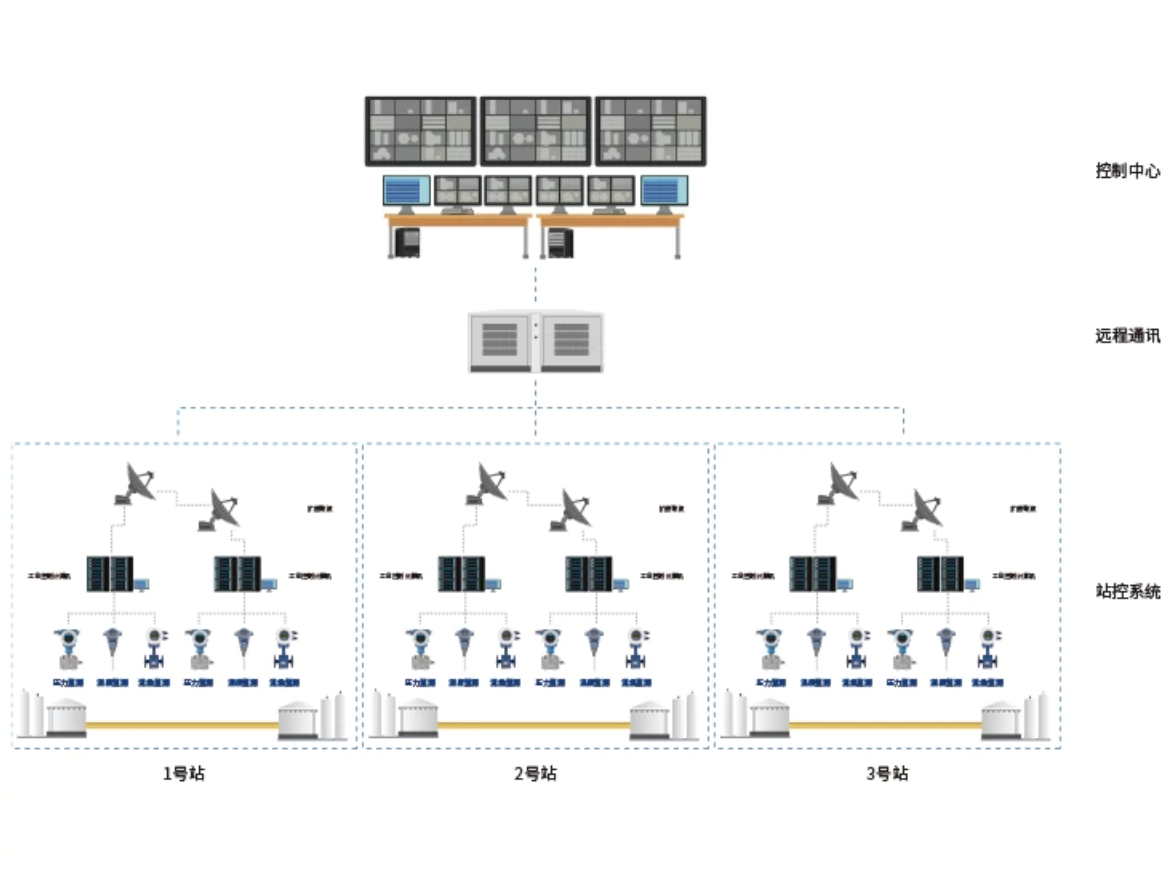
Similarly, energy transport networks demand robust volumetric accounting for heavy crude oil, bitumen, and refined fuel products. Long-distance petroleum pipelines move millions of barrels across expansive geographic terrains under high pressure. Maintaining systemic balance across these distribution networks requires reliable field sensors linked directly to remote monitoring stations. Industrial operators frequently integrate precision gear meters into comprehensive long-distance oil and gas pipeline SCADA system frameworks. These integrated telemetry networks track volumetric flow rates in real time, detecting pipeline leaks promptly and optimizing inventory management across long-distance distribution corridors. When handling temperature-sensitive media that congeal at ambient conditions, facilities fit gear flowmeters with thermal heating jackets to maintain fluid fluidity throughout the measuring chamber.
Systems Engineering and Custom Manufacturing: HHD’s Positive Displacement Expertise
Delivering reliable flow measurement across diverse viscous applications requires advanced manufacturing capabilities and tailored hardware engineering. Standard mass-produced meters often fail to meet the strict pressure ratings, material compatibility requirements, and digital integration standards of specialized processing plants. Addressing these industrial demands, HHD(Huaibei Huadian Automation Technology Co., Ltd) manufactures high-precision Oval gear flow meters engineered specifically for thick fluids and harsh process environments. Operating under rigorous ISO 9001 quality management systems, Huaibei Huadian Automation Technology Co., Ltd utilizes micron-level CNC machining to produce durable stainless steel, cast iron, and specialized alloy gear pairs with minimal rotational friction.
The engineering team at HHD designs robust measuring chambers that withstand extreme operating pressures while maintaining zero gear backlash. Beyond mechanical construction, HHD offers versatile electronic signal processing options to support modern industrial automation. Transmitters manufactured by Huaibei Huadian Automation Technology Co., Ltd feature high-resolution pulse outputs, 4-20mA HART protocols, and RS485 Modbus communications, ensuring seamless integration into central PLCs and distributed control architectures. Furthermore, HHD provides customized factory calibration, specialized seal selection, and high-temperature pickup sensors tailored to specific customer fluid profiles. Through rigorous factory testing and custom engineering, HHD empowers global process operators to achieve dependable, long-term flow measurement accuracy.
Conclusion: Strategic Considerations for Viscous Fluid Metering
Selecting the appropriate flow measurement technology for high-viscosity fluids requires a thorough understanding of fluid dynamics, mechanical tolerances, and operating conditions. Positive displacement Oval gear flow meters offer clear physical advantages over kinetic meters by turning high fluid viscosity into an asset through improved internal clearance sealing. By deploying upstream filtration and degassing equipment, plant operators protect internal gear mechanics and ensure continuous volumetric accuracy. Partnering with an experienced manufacturer like HHD allows process facilities to implement custom-engineered metering solutions that enhance operational efficiency, reduce maintenance overhead, and optimize inventory control across complex industrial fluid applications.
Official Website: https://www.hd-a.cn/.
HHD
HHD
Legal Disclaimer:
EIN Presswire provides this news content “as is” without warranty of any kind. We do not accept any responsibility or liability
for the accuracy, content, images, videos, licenses, completeness, legality, or reliability of the information contained in this
article. If you have any complaints or copyright issues related to this article, kindly contact the author above.

Media gallery